From many spreadsheets to one platform
A single application platform for Justice & Peace's Shelter Citys global network of defenders

The challenge: One application process instead of 29, with many manual spreadsheets
Shelter City's network was managing applications city by city, relying on spreadsheets and separate systems. It was slow to work with, made reporting across the global network difficult, and for defenders themselves the process of applying for support wasn’t clear.
Justice and Peace Netherlands saw the problem: Shelter City needed one trusted digital hub. A place where applications could be managed safely across multiple every shelter city. Somewhere teams could access the information they needed -no more, no less -depending on their role and location. Somewhere people seeking protection could find resources securely, without confusion.

The story: Shelter City and human rights defenders
Human rights defenders do vital work:advocating for human rights and fundamental freedoms like equal treatment, freedom of speech or access to education. Sometimes that means addressing human rights violations against a specific group, for example children, women or LGBTIQA+ people. Many face heavy resistance for it, and are harassed, slandered or even attacked as a result..
Shelter City offers defenders at risk a temporary place to stay for three months, where they are safe, can rely on solidarity and receive support tailored to their needs. It gives them room to re-energize, meet allies and build their skills, knowledge and resilience. Shelter City operates in 29 cities globally.
How we helped
We started by listening. What did the global Shelter City teams actually need? What would help them work faster? What would make a human rights defender feel assured using the platform? From those conversations came a clear vision: one integrated hub, shaped around how they actually work.
-
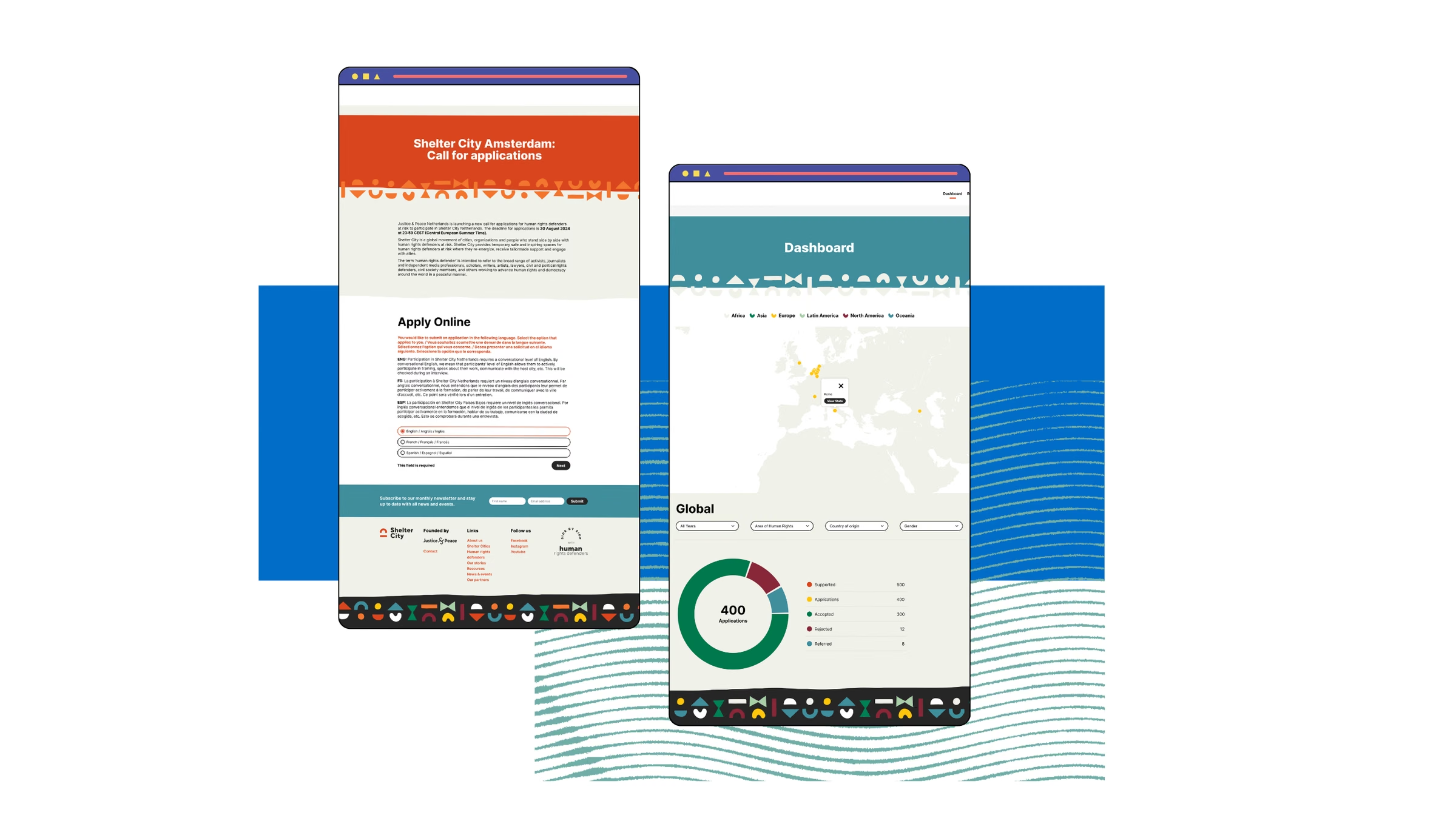
🏠 One platform, inside their own website
The platform lives within Shelter City's existing website and brand, so defenders and supporters get one coherent experience from start to finish. No jarring jumps between systems.
-
🔍 Tagging, filtering and reporting
Tagging and filtering runs across all applications and data. Teams can now filter by country, date or status, pull a report and download what they need. Information that used to sit in scattered emails and spreadsheets is now searchable, organised, and shareable in seconds.
-
📚 A private resource area for defenders
A password-protected space for defenders with guides on funding, assistance and support programmes - a way for Shelter City to support people after the application itself.
-
🔐 Dashboards that show the right data to the right people
Each user sees what their role allows. A team lead in one shelter city sees full data about their own applications and supporters—names, year, status, the areas of human rights they’re involved in. They will see other shelter cities only as anonymised, high-level data - enough to understand global patterns without accessing sensitive details outside their remit. A global administrator sees everything. Getting that balance right between access and security was crucial, and took careful work on the permissions architecture.
-
📝 Application forms that adapt as you go
The application system is the heart of it. Forms are conditional: they adapt based on answers someone has already given, so applicants only see the questions that apply to them. No more super long forms with irrelevant sections, and less time spent on both sides.
What this means now
For Shelter City's teams, there’s now one platform of truth for global applications and supporter data. Less time on admin, more time on what matters—actually supporting human rights defenders. That might sound like a small shift, but across a global network, it frees up dozens of hours every week.
For defenders seeking protection, the process is clearer. They apply once, and they can get access to the resources they need when they need them. They're not bounced between systems, wondering if anyone's really helping them.
Justice and Peace and Shelter City do work that saves lives. It should be backed by a digital platform that works as hard as they do, and we’re thrilled to be a part of that.